What Is a Chocolate Making Machine?
A Chocolate Making Machine is equipment used to process chocolate ingredients and shape them into finished products. Depending on its design, it may mix, refine, conche, temper, deposit, or cool chocolate. Small workshops often use compact units for only a few production steps. Larger facilities may connect several machines into a controlled line. The right setup depends on the recipe, batch size, and product.
The process can look simple from the outside. It is not. A machine must manage heat, movement, and timing with care. For example, tempering equipment heats and cools chocolate in stages, helping cocoa butter crystals form a stable structure. This can support a smooth surface, a clean snap, and easy release from molds. But equipment cannot fix every weak recipe or careless cleaning routine. Operators still check temperatures, texture, sanitation, and finished pieces throughout production.
Choosing a machine means looking beyond advertised capacity. Consider the type of chocolate, available floor space, power supply, cleaning access, and operator experience. Ask suppliers for operating instructions, maintenance requirements, and realistic output figures. These details make comparisons more useful. There is no single best machine for every maker. A small test batch can reveal problems that a brochure misses. Understanding what the equipment does—and where human judgment still matters—helps buyers make a practical choice.
What a Chocolate Making Machine Is and What It Does
A chocolate-making machine is equipment that helps turn chocolate ingredients into a smooth, workable product. Its exact role depends on the design. Some machines mix cocoa mass, sugar, and other ingredients, then refine them until the gritty texture becomes finer. Others focus on conching, tempering, or molding. The label can be misleading. One machine rarely does everything.
During refining, rollers or grinding elements reduce particle size and help create a smoother mouthfeel. Conching mixes and warms the chocolate, helping develop its texture and flavor. Tempering controls temperature so cocoa butter forms stable crystals, which support a glossy finish and a clean snap. It takes care. The correct temperature varies with the chocolate and process, so operators monitor readings rather than relying on a single setting. A small temperature drift can affect the finished surface. I would not assume that an automated machine removes the need for judgment; batches can behave differently, and adjustments may still be needed. Some details are easy to overlook, especially when a machine is described as an all-in-one solution.
Main Types of Chocolate Making Machines
What Is a Chocolate Making Machine?
Main Types of Chocolate Making Machines
Chocolate production relies on several machines, each handling a distinct change in texture or form. A grinder or refiner reduces cocoa and sugar particles, creating a smoother mass. A conche then mixes and aerates it, helping develop flavor and reduce harsh notes. These stages matter: a fine-looking chocolate can still feel gritty if refining is rushed. Small batches behave differently.
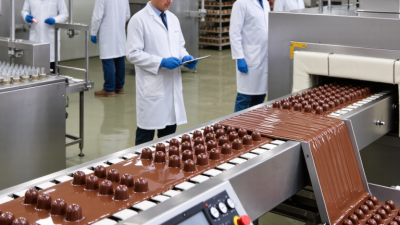
Tempering machines carefully heat, cool, and rewarm chocolate to encourage stable cocoa butter crystals. This helps produce a clean snap and glossy finish. Moulding machines deposit tempered chocolate into moulds; enrobers coat centres such as biscuits or nuts. Larger lines may connect these units to cooling tunnels and packaging equipment. The International Cocoa Organization estimated global cocoa grindings at about 4.82 million tonnes in 2023/24, illustrating the scale of processing behind the finished products. That figure describes cocoa use, not machine sales, but it shows why reliable, appropriately sized equipment matters.
Tips: Match capacity to your real batch size, not an optimistic sales forecast. Check whether cleaning, temperature control, and changeovers fit your workflow. A machine that is fast on paper may be awkward in a small workshop. That trade-off is worth testing.
What Is a Chocolate Making Machine? - Main Types of Chocolate Making Machines
| Machine Type |
Main Function |
Typical Process Stage |
How It Works |
Common Output or Use |
| Cocoa Roaster |
Roasts cocoa beans to develop flavor and reduce moisture. |
Bean preparation |
Applies controlled heat while beans are moved or rotated for more even roasting. |
Roasted cocoa beans ready for cooling and shell removal. |
| Winnower |
Separates cocoa nibs from the outer shells. |
Bean preparation |
Cracks roasted beans and uses airflow or screening to separate lighter shell pieces from heavier nibs. |
Clean cocoa nibs for grinding. |
| Cocoa Grinder |
Reduces cocoa nibs to a fine, flowing cocoa mass. |
Grinding |
Mechanical force breaks down the nibs and releases their natural cocoa butter. |
Cocoa liquor, also called cocoa mass; it contains cocoa solids and cocoa butter. |
| Chocolate Refiner |
Reduces the particle size of sugar, cocoa, and other recipe ingredients. |
Refining |
Uses rollers or other grinding surfaces to make the chocolate mixture smoother. |
A refined chocolate mixture with a finer texture. |
| Conche |
Develops flavor and improves the texture of chocolate. |
Conching |
Mixes, kneads, and aerates refined chocolate over time; heat and airflow help drive off some unwanted volatile compounds. |
A more uniform chocolate mass with a smoother mouthfeel. |
| Chocolate Tempering Machine |
Controls cocoa butter crystallization. |
Finishing before forming |
Heats, cools, and gently reheats chocolate through controlled temperature stages. |
Tempered chocolate that sets with a glossy finish and a firm snap. |
| Moulding Machine |
Deposits chocolate into moulds to form shaped products. |
Forming |
Fills mould cavities with chocolate; vibration may be used to help remove trapped air. |
Bars, tablets, shells, and other moulded chocolate pieces. |
| Chocolate Enrober |
Coats centres with a layer of chocolate. |
Coating |
Moves products through a curtain or stream of tempered chocolate, then allows excess coating to drain. |
Chocolate-coated biscuits, confectionery, fruit, or other centres. |
| Cooling Tunnel |
Cools and sets moulded or coated chocolate. |
Cooling and setting |
Moves products through a temperature-controlled environment to remove heat gradually. |
Set chocolate pieces ready for demoulding, handling, or packaging. |
Key Components and Their Functions
What Is a Chocolate Making Machine?
Key Components and Their Functions
A chocolate making machine is a group of coordinated parts that heat, mix, refine, and shape chocolate. The heated tank melts ingredients and keeps the mixture at a workable temperature. Inside it, an agitator moves the chocolate to reduce hot spots and help maintain an even texture. Small details matter. A tank that runs too hot can affect flavor and consistency.
A refining system, such as rollers or a compact grinding unit, reduces gritty particles. The tempering unit then heats and cools the chocolate through controlled stages. This helps cocoa butter form stable crystals, giving finished pieces a clean snap and smooth surface. Temperature sensors and controls guide these steps. They need regular checks; a reading can be inaccurate if a probe is poorly placed.
After tempering, a pump carries chocolate to molds or a depositing head. A vibrating table can release trapped air, while a cooling tunnel helps pieces set evenly. Not every machine includes all these parts. Small batches may use manual mold handling, which takes more attention and can produce uneven results. Cleaning access also matters: residue around valves or narrow pipes can be easy to miss.
How Chocolate Moves Through the Production Process
A chocolate making machine is rarely a single piece of equipment. It is a connected line that changes cacao beans into a smooth, workable chocolate mass. The process often begins with cleaning, roasting, and cracking the beans. Roasters use controlled heat to develop aroma, while time and temperature vary with bean size and moisture. After cooling, a winnower separates the brittle shells from the edible nibs. Small details matter. Too much shell can affect texture and flavor.
Nibs pass through a grinder, which releases their natural cocoa butter and forms a thick chocolate liquor. Refining rollers then reduce particles of cocoa, sugar, and other ingredients, creating a finer mouthfeel. The mixture moves into a conche, where steady mixing and gentle heat help develop flavor and reduce unwanted moisture. This stage can take hours. Real production lines are not always as tidy as diagrams suggest; operators may adjust settings when a batch feels too thick or tastes uneven. Tempering equipment carefully heats and cools the chocolate to guide stable cocoa-butter crystals. The tempered chocolate flows into molds, vibrates to release trapped air, and enters a cooling tunnel before demolding. Temperature checks and visual inspection help catch dull surfaces, bubbles, or uneven pieces.
Common Uses and Production-Scale Considerations
What Is a Chocolate Making Machine?
Chocolate making machines are used to mix, refine, conche, temper, and mold chocolate. Smaller workshops may use compact melangers and tabletop tempering units for handmade bars, truffles, or filled chocolates. A bakery might need only a melter and depositor for coating biscuits or adding chocolate decorations. The setup depends on the product, not simply the room available.
Common Uses and Production-Scale Considerations
Production equipment must handle steady batches while keeping temperature and texture consistent. Refiners reduce particle size, while conches help develop a smoother texture and flavor. Tempering machines manage cocoa butter crystallization, which affects shine and snap. For larger output, check batch capacity, heating and cooling rates, power needs, and cleaning access. A machine that fits the daily target may still struggle during seasonal peaks. It is easy to overestimate required capacity; idle equipment takes space and adds maintenance work. Small variations in ingredients can also change how a batch flows, so machinery alone cannot guarantee identical results.
Tips: Test a typical recipe before choosing equipment. Measure the time needed for loading, cleaning, and changeovers, not just the advertised cycle. Keep simple batch records. They make problems easier to trace, though records cannot fix a rushed process.
Dark Chocolate Tempering: Typical Temperature Stages
Tempering machines heat, cool, and gently rewarm chocolate to encourage stable cocoa butter crystals. The plotted values are representative midpoints of common dark chocolate temperature ranges; exact settings vary by recipe and equipment.