China Top 10 Chocolate Making Machine Manufacturers?
Choosing the right Chocolate Making Machine manufacturer requires more than comparing glossy brochures or production promises. A dependable supplier must understand tempering curves, particle reduction, cooling control, sanitation, energy use, and after-sales support. These details affect every glossy bar, filled praline, and molded piece leaving a factory.
Chocolate technologist Ewald Notter once said, “Chocolate is both an art and a science.” That idea guides this overview. A modern machine may offer impressive automation, yet poor temperature stability can create dull surfaces, fat bloom, or uneven textures. Small errors matter. A two-degree variation can change the final result.
This introduction examines ten leading manufacturers connected with chocolate processing equipment. The comparison considers machinery range, engineering experience, customization, production capacity, safety design, spare-parts access, and technical training. It also considers practical factory conditions, including limited floor space, humid climates, cleaning routines, and changing product formulas.
The list is not a permanent verdict. Markets change, technologies improve, and a suitable machine for one factory may disappoint another. That is worth admitting. A small artisan producer may value flexible batch equipment, while an industrial plant may require continuous tempering and automated molding lines.
Readers should verify certifications, installation records, service response times, and total ownership costs before purchasing. A machine can look excellent during a demonstration. Real performance appears months later, under daily production pressure. This guide aims to make that decision clearer, more technical, and more grounded in actual chocolate-making needs.
What Chocolate Making Machines Are and How They Work
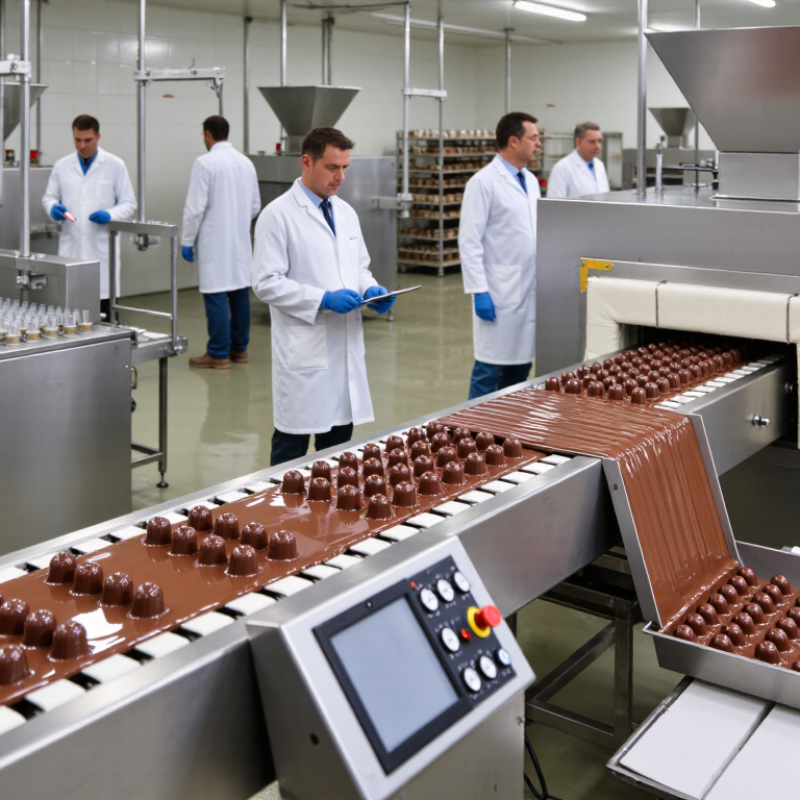
Chocolate making machines are production systems that turn raw ingredients into smooth, stable chocolate. They may include melters, refiners, conches, tempering units, moulders, and cooling tunnels. Each machine handles a specific stage. Together, they control heat, mixing, particle size, and product shape.
A melter gently warms chocolate to create a fluid mass. A refiner reduces sugar and cocoa particles, improving mouthfeel. During conching, paddles mix the chocolate while moisture and unwanted aromas leave the mixture.
Tempering then follows a carefully controlled heating and cooling cycle. This encourages stable cocoa butter crystals, giving chocolate a clean snap and glossy surface.
The process is precise, but not automatic perfection. Small temperature changes can affect shine and texture. A tempering machine usually heats chocolate above its melting point, cools it, and raises the temperature slightly before moulding.
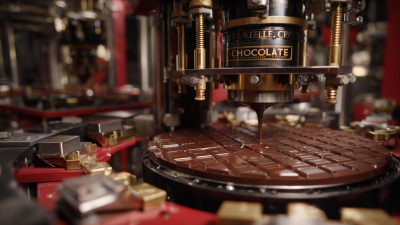
The moulding unit deposits measured amounts into trays, while vibration removes trapped air. A cooling tunnel lowers the temperature gradually, helping products set without visible streaks.
In practical factory work, operators still check viscosity, temperature, and mould cleanliness. Sensors help, but they cannot replace careful observation.
A reliable machine should offer food-grade contact surfaces, consistent control, easy cleaning, and accessible maintenance. This matters when comparing chocolate equipment manufacturers in China. Machine capacity must also match the recipe, batch size, workshop space, and local production needs. Bigger is not always better.
Key Criteria for Evaluating Chinese Machine Manufacturers
China Top 10 Chocolate Making Machine Manufacturers?
Evaluating Chinese chocolate machine manufacturers requires more than comparing prices. Start with production capacity, temperature control, refining performance, and deposit accuracy. Ask for measurable data, not vague promises. A reliable factory should provide equipment drawings, material specifications, test records, and clear maintenance instructions. Food-contact components should have traceable documentation and comply with the regulations relevant to your market.
Factory experience matters. Review completed projects with similar chocolate types, batch sizes, and packaging conditions. Request a live trial using your recipe, because dark chocolate behaves differently from filled or nut-based products. Watch the machine during heating, cooling, cleaning, and emergency stops. Small details reveal quality. Check welds, electrical cabinets, seals, sensors, and spare-part availability. Remote support can be useful, but it cannot replace skilled technicians when production stops.
Supplier communication is another serious criterion. Engineers should explain limitations instead of promising everything. This is often overlooked. Compare installation training, warranty terms, response times, and documentation quality. Calculate total ownership costs, including energy use, shipping, commissioning, and replacement parts. A low purchase price may hide expensive downtime. I would also inspect the factory, although one visit cannot prove long-term reliability. Ask for recent customer references and independent inspection results. No manufacturer is flawless, so record unresolved concerns before signing.
China’s Top 10 Chocolate Making Machine Manufacturers
China’s Top 10 Chocolate Making Machine Manufacturers
China’s top 10 chocolate making machine manufacturers are often judged by engineering depth, not catalog size. Reliable suppliers usually provide refining, conching, tempering, molding, and cooling equipment as connected systems. Their machines should maintain stable temperatures, consistent viscosity, and accurate deposit weights during long production runs.
In practical factory visits, inspect weld quality, control-panel layout, and the accessibility of pumps and valves. Food-contact parts should use suitable stainless steel, with clear material certificates and easy cleaning access. Ask manufacturers to demonstrate a complete production cycle using your chocolate formula. A machine may perform well with dark chocolate but struggle with fillings, inclusions, or high cocoa butter variation. This detail is easy to miss.
Tips: Compare actual test results, not only brochures. Check temperature accuracy near 31–32°C for dark chocolate tempering. Request noise levels, energy consumption, spare-parts availability, installation support, and operator training. Confirm whether software settings can be backed up. A useful supplier will explain limitations honestly. Some buyers focus too heavily on initial price, then discover that small sensors, seals, or heating elements cause expensive delays. That is not always the manufacturer’s fault, but it should be discussed before signing.
China’s Top 10 Chocolate Making Machine Manufacturers
This chart compares common chocolate-processing equipment by typical commercial throughput. Actual capacity varies by machine model, product recipe, and production configuration.
Comparing Equipment, Capacity, Technology, and Services
China’s top ten chocolate machine manufacturers should be compared by equipment fit, not advertising claims.
A small coating line may process 100 kilograms per hour, while an industrial system can exceed several tons. These figures depend on recipe, viscosity, cooling time, and operating temperature.
In factory evaluations, inspect tempering control, enrobing accuracy, molding stability, and cooling tunnel performance.
Ask for production trials using your actual chocolate, inclusions, and mold sizes.
Test it warm. Then test it after cleaning.
Stainless steel frames, insulated tanks, and accessible pumps can reduce maintenance problems. PLC controls should record temperature trends, alarm history, and batch settings. Simple screens are often safer for operators than crowded interfaces.
Capacity is only useful when product quality remains stable.
A fast line may create dull surfaces, uneven shells, or excessive chocolate waste. Service quality deserves equal attention. Check installation training, spare-part availability, remote support, and response times in writing.
Energy consumption also matters, especially for long cooling tunnels and heated pipelines.
I would not trust a ranking based only on price or factory size.
Supplier data can be incomplete. Independent testing is better.
A practical comparison table should record output, temperature tolerance, changeover time, cleaning hours, warranty terms, and verified customer references.
Minor omissions here can become expensive production delays later.
How to Choose the Right Manufacturer for Your Production Needs
Choosing among China’s top chocolate making machine manufacturers requires more than comparing prices. Match the machine to your actual production plan. Check capacity, chocolate type, batch size, heating method, and available floor space. A 100-kilogram tempering machine may be unsuitable for a small workshop.
Ask for technical evidence, not polished promises. Request test records, material certificates, electrical specifications, and a clear warranty. Food-contact parts should use suitable stainless steel and have smooth, accessible surfaces. Inspect the cooling tunnel, pumps, sensors, and control panel during a live video demonstration. Small details matter.
Test the machine with your recipe.
Experienced buyers should also study after-sales support. Ask how quickly technicians respond, which spare parts are stocked, and whether remote diagnosis is available. Confirm installation training, maintenance schedules, and language support before signing a contract. A reliable manufacturer should provide layout drawings and energy estimates based on your operating conditions.
Do not judge quality from appearance alone. I have seen impressive machines lose value because cleaning access was poor or replacement parts were unclear. That is an easy mistake to make. Ask for customer references with similar output, products, and working hours. If a supplier avoids technical questions, delays documents, or changes specifications frequently, reconsider the purchase. Your final choice should reflect measurable performance, transparent communication, and the realities of your production floor.